×

The Standard e-Paper
Informed Minds Prefer The Standard





Audio By Vocalize
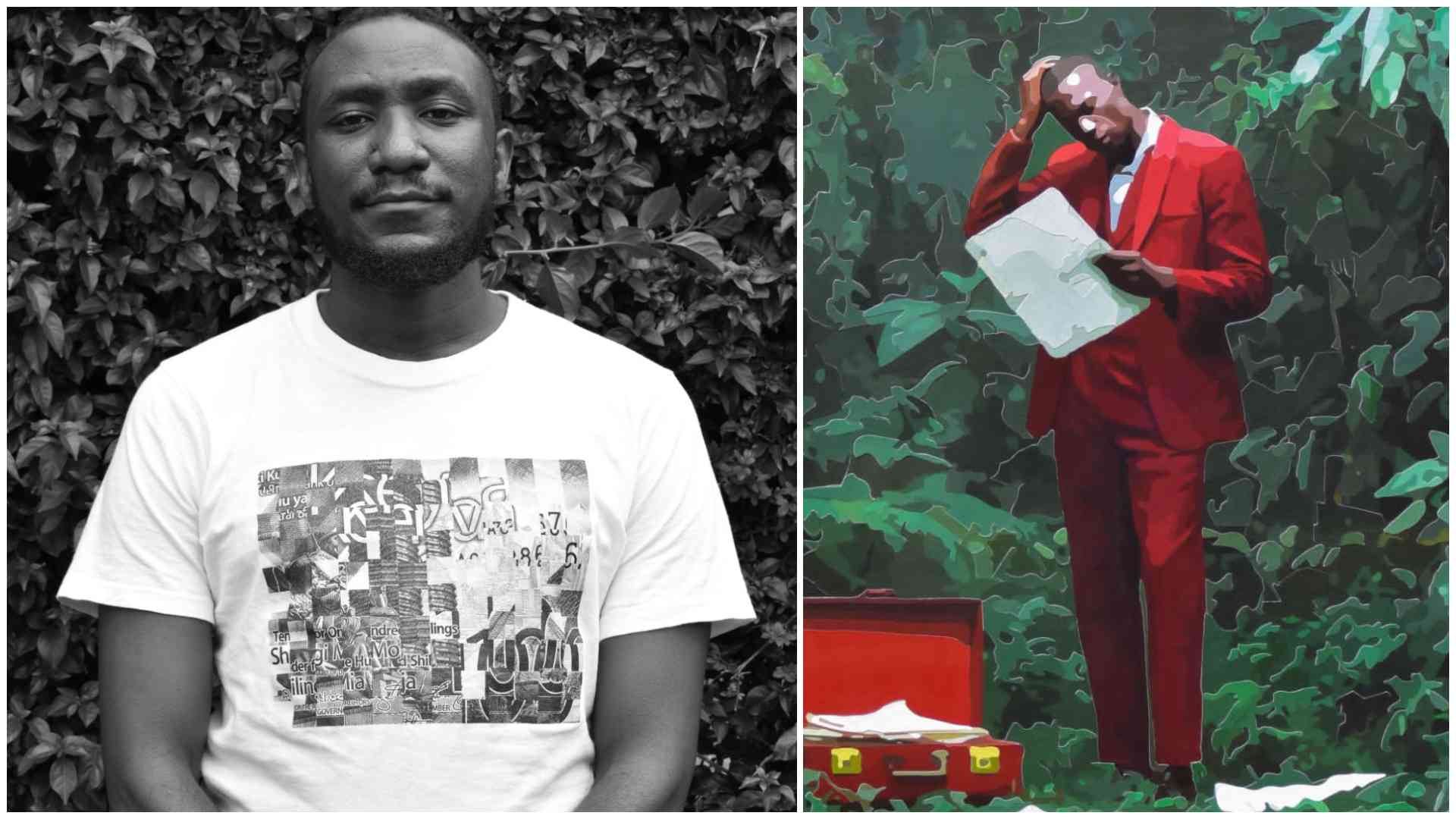
Derrick Munene’s Quest is an exhibition that examines identity, belonging, memory and history. Open from July 15 to October 14 at Peponi Hotel in Lamu, the exhibition features paper collages, maps, acrylic paints, and mixed media works.
Munene incorporates maps into his collages to link different places while exploring themes of memory and migration. The themes of identity and belonging are depicted through his subjects who are dressed in vibrant clothing to showcase the richness of African stories and cultures which he says are yet to be fully uncovered.
"If you don’t know where you come from or where you belong, it’s difficult to truly know yourself. That’s the journey I’m trying to venture into,” he says.
He divulges that the exhibition was inspired by his search for home and a desire to better understand his roots. Growing up in Meru before moving to the city, going back home years later made him see that it wasn’t the place he had left behind.
Everything had changed. Moving between rural and urban spaces exposed him to different ways of living and thinking, while going back home showed how people and places change. It also made him think about what home really means and what happens when the memories he holds no longer match the present.
"Quest is about searching for something. To me, home is a place of safety, freedom and acceptance where one feels grounded and free from judgement or expectations,” he says.
One of the works, Home Coming 6, is part of a series depicting the emotions around returning to a childhood home.
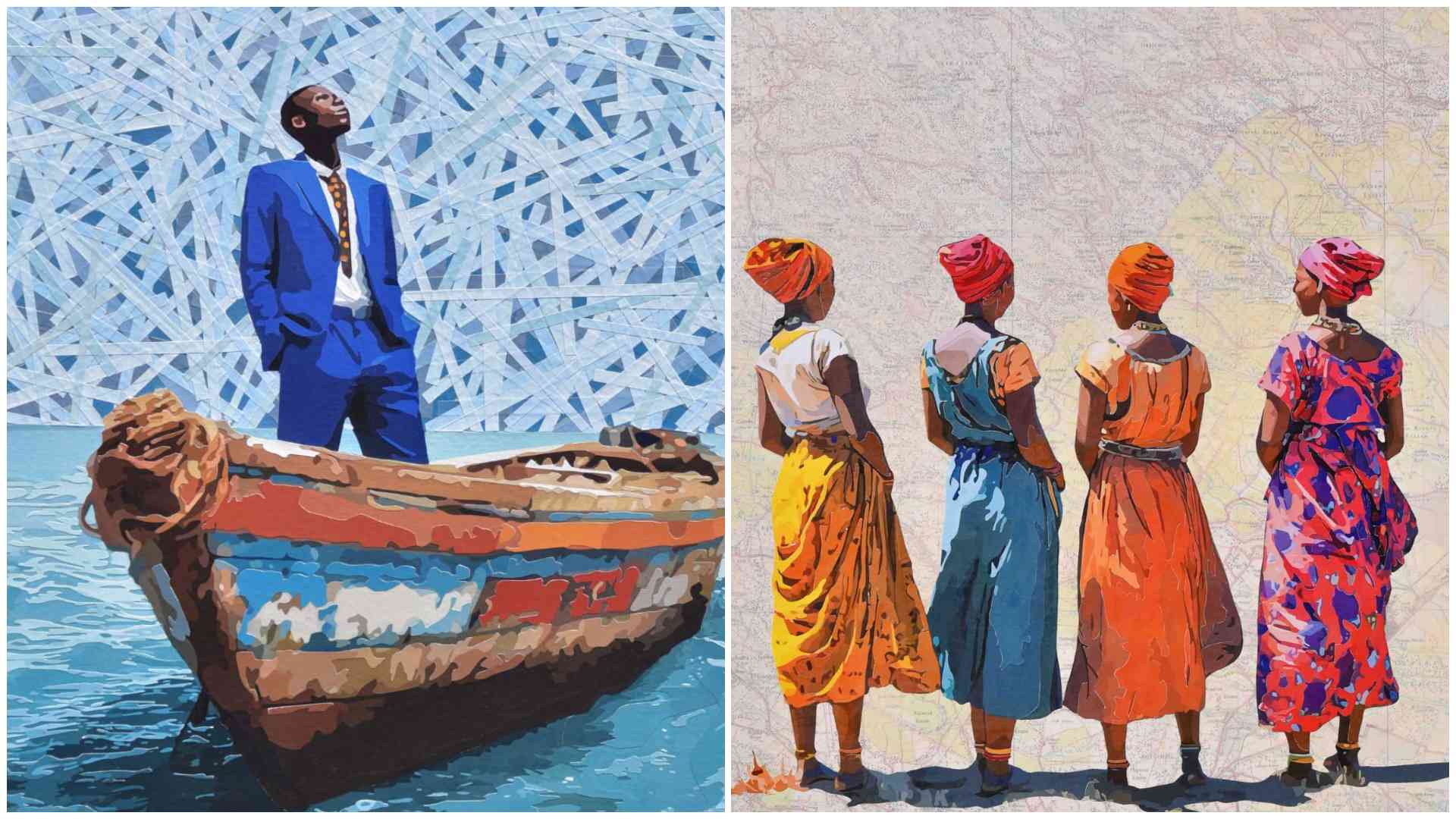
"It can be a strange feeling. Everything looks familiar, yet it doesn't feel the same. The people have moved on, life has changed, and the memories you have no longer match the present. Sometimes, home is no longer a place but a memory you carry with you," he says.
Further, he explains that Quest also looks into the pre-colonial past and the ways history has been told. He notes that much of what is taught in school is viewed through a colonial lens. Therefore, he wanted to explore what communities were doing and how they governed themselves before colonialism.
Lamu was the right location for the exhibition for its rich cultural heritage that complemented his ideas. His works showcase the activities of the coastal town through collaging local fishermen and everyday life.
Munene’s artistic journey started in childhood through drawing. While studying interior design at the Technical University of Kenya, he built a liking for colour and composition. It was also at this time that he realised art could be a professional career, and in 2017 he began pursuing it seriously.
He got into paper collage by accident. When he ran out of paint one day, he turned to paper as an alternative, and he ended up liking the work. Paper is now his main medium, at times layered with acrylic paint to create texture and depth.
“I enjoy paper because I can manipulate it in ways that paint doesn't allow. If I want to explore a location, I can use maps and layer different materials, which is difficult to do with paint,” he explains.
However, he shares that finding papers in the right colours is challenging and needs him to spend hours searching through magazines. When he cannot find the colours he needs, he prints paper in custom hues before incorporating it into his work.
Since 2017, Munene has delved into themes like matatu culture, Kenyan athletes, longing, emotional expression and self-discovery. He is currently expanding his practice by experimenting with lino printing.
With Quest, Munene hopes that audiences think about their own histories while preserving tradition and accepting change.
"I want people to understand what their communities used to do while also accepting the new. It's about finding harmony between the old and the new," he says.
Subscribe to our newsletter and stay updated on the latest developments and special offers!